
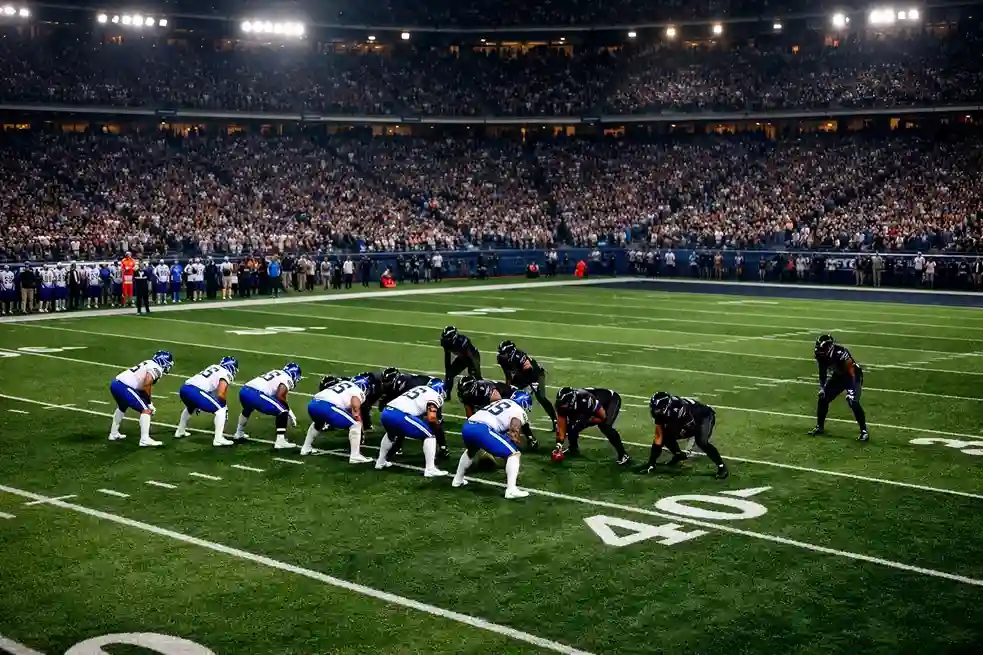
The NFL generates more betting action than any other sporting event on the planet. Super Bowl Sunday alone attracts billions in wagers globally, and Canadian bettors contribute their share despite having no NFL franchise to call their own. The league’s appointment television format — Sunday afternoons, Monday nights, Thursday kickoffs — creates communal viewing experiences perfectly suited for social betting. Add the single-elimination playoff drama and sports betting’s most heavily analyzed futures market, and you understand why NFL betting dominates Canadian sportsbooks from September through February.
Canadian interest in the NFL runs deeper than geography suggests. Decades of cross-border broadcast availability created generations of Canadian fans supporting American teams. The Bills have genuine following across Southern Ontario. The Seahawks draw Pacific Northwest Canadians. And fantasy football’s explosion created knowledgeable bettors who understand player values, matchup dynamics, and game flow even without a rooting interest in specific outcomes.
The legal betting landscape makes NFL wagering straightforward for Canadians. Ontario’s licensed market offers everything available in Las Vegas or legal American states. Provincial platforms elsewhere provide basic markets. Grey-market sportsbooks fill remaining gaps. Regardless of platform, NFL betting options exceed what existed in the parlay-only era before Bill C-218.
Point Spreads and the NFL Betting Market
Point spread betting has defined NFL wagering for decades. Oddsmakers set lines reflecting how many points the favorite should win by, then bettors choose sides. A spread of -6.5 means the favorite must win by seven or more points to cover, while underdog bettors collect if their team wins outright or loses by six or fewer.
NFL spreads typically range from pick’em games (no favorite) to double-digit margins when elite teams face rebuilding opponents. The league’s parity means most spreads fall between 2.5 and 7.5 points, with the most common closing numbers being 3, 6, and 7 — reflecting the value of field goals and touchdowns in football scoring.
Key numbers matter enormously in NFL spread betting. Games decided by exactly three points occur more frequently than any other margin, making the difference between -2.5 and -3.5 substantial. Similarly, seven-point margins are common enough that getting the better side of -7 versus -6.5 influences long-term results. Sharp bettors pay juice premiums to buy through key numbers when necessary.
Line movement between opening and kickoff reveals market sentiment. If a spread opens at -3 and closes at -5, sharp money pushed the line toward the favorite. Tracking these movements helps identify where professional bettors are positioned. Following sharp money isn’t a guaranteed strategy, but understanding why lines move improves handicapping.

Moneylines and Totals
Moneyline betting picks winners without point spread complication. Favorites carry negative odds (-200 means risking $200 to win $100), while underdogs show positive numbers (+175 means $100 wins $175). Moneylines make most sense for slight favorites or underdogs where you like a team’s chances but worry about covering spreads.
NFL totals predict combined scoring. Most games feature totals between 41 and 52 points, varying based on offensive strength, defensive quality, weather conditions, and pace of play. Low totals for defensive matchups in bad weather might dip into the high 30s, while high-powered offenses in domes can push totals above 55.
Weather significantly impacts NFL totals, unlike indoor sports. Wind affects passing games and field goal accuracy. Rain creates ball security concerns and slippery conditions. Cold temperatures stiffen players and balls. Games played outdoors in December and January require different analysis than September matchups in climate-controlled stadiums.
First-half and first-quarter betting offer additional markets. Some teams start fast while others are notoriously slow starters. These tendencies create value in partial-game betting when you expect different dynamics in different game phases.
Don’t forget the local game; check our CFL betting in Canada guide.
Touchdown Props and Player Markets
Anytime touchdown scorer props have become NFL betting’s most popular market behind spread and totals. You’re betting whether a specific player will reach the end zone during the game. Running backs with goal-line roles hit frequently. Red zone receivers see elevated touchdown chances. Quarterbacks occasionally vulture rushing scores.
The math on touchdown props requires understanding how odds price implied probability. A player at -130 to score anytime has roughly 56% implied probability. If your analysis suggests they’ll score 60% of the time in a given matchup, value exists. Building mental models for touchdown probability by position and role helps identify mispriced props.
Passing and rushing yardage props target production volume. A quarterback facing a weak secondary might have a passing yards line that seems low given the matchup. A running back expecting heavy volume against a soft run defense might offer over value on rushing yards. These markets require analyzing both the player’s opportunity and the opponent’s defensive tendencies.
Reception props predict catching volume. Target share — the percentage of team passes directed at a specific receiver — drives reception numbers more than talent. Players in pass-heavy offenses with concentrated target shares consistently hit reception overs, while talented receivers in run-heavy systems might underperform their skill level.
First touchdown scorer props carry extreme variance with corresponding payouts. Hitting a +1000 first scorer bet feels incredible, but the frequency doesn’t support regular wagering at standard odds. These markets are better treated as occasional lottery tickets than core betting strategy.
Super Bowl Futures and Long-Term Markets
Super Bowl futures wagering begins before the previous season ends. Odds shift throughout the offseason based on free agency moves, draft selections, and roster construction. By opening week, the market has incorporated months of information, yet opportunities remain for bettors who see things differently than consensus.
Early futures offer the best value when you’re right about teams the market undervalues. A team at +3000 in March might be +1500 by September if your offseason thesis proves correct. The time value of money counts against futures betting — your capital sits locked for months — but significant odds advantages can justify the opportunity cost.
Conference championship and division winner futures provide intermediate options. These require less precision than Super Bowl picks while still offering long-term value. A team might reasonably win their division without having championship upside, creating value in markets priced off Super Bowl odds.
Win totals let you bet on regular season performance without playoff variance. If you believe a team is better than their projected 8.5 wins, taking the over removes playoff unpredictability from the equation. Win totals often offer better value than futures markets that require navigating playoff brackets.

Strategy for Canadian NFL Bettors
NFL betting’s weekly rhythm creates natural handicapping cycles. Sunday games receive the most attention, with lines sharpening throughout the week. Early-week line moves often represent the sharpest action, while casual bettors flood in closer to kickoff. Understanding when different bettor types typically act helps time your wagers appropriately.
Injury reports release throughout the week, culminating in official designations on Friday. Practicing patience means waiting for injury clarity before betting games where key players have uncertain status. A starting quarterback being questionable versus confirmed active dramatically changes spread value.
The seventeen-game regular season plus playoffs provides limited sample size compared to baseball’s 162 games or basketball’s 82. This scarcity means each game carries significant weight, making thorough preparation worthwhile. Professional NFL bettors spend hours analyzing each game because the limited schedule demands precision.
Live betting during NFL games offers significant opportunity for engaged viewers. Football’s stoppage-heavy nature creates constant betting opportunities between plays. A team down two touchdowns in the second quarter might offer attractive live moneyline value if you believe the game is closer than the scoreboard suggests. Reading game flow rather than just scores separates successful live bettors.
Cross-sport knowledge helps Canadian bettors. Understanding how NHL betting works — puck lines, goaltender impact, schedule effects — creates mental frameworks applicable to NFL analysis. Football shares American sport betting conventions, making Canadian bettors who understand those frameworks better prepared than those learning from scratch.
The absence of a Canadian NFL franchise creates psychological advantage. Without hometown bias clouding judgment, Canadian bettors can evaluate games more objectively than Americans rooting for local teams. This detachment enables betting against consensus favorites when value dictates, something emotionally invested fans struggle to do.
NFL betting represents sports wagering’s deepest market, with more analysis, data, and professional attention than any other sport. Canadian bettors compete in this market against sophisticated participants worldwide. Success requires respecting the competition while identifying the specific edges your analysis and discipline provide.
Follow the NFL season on our American football betting site.
