
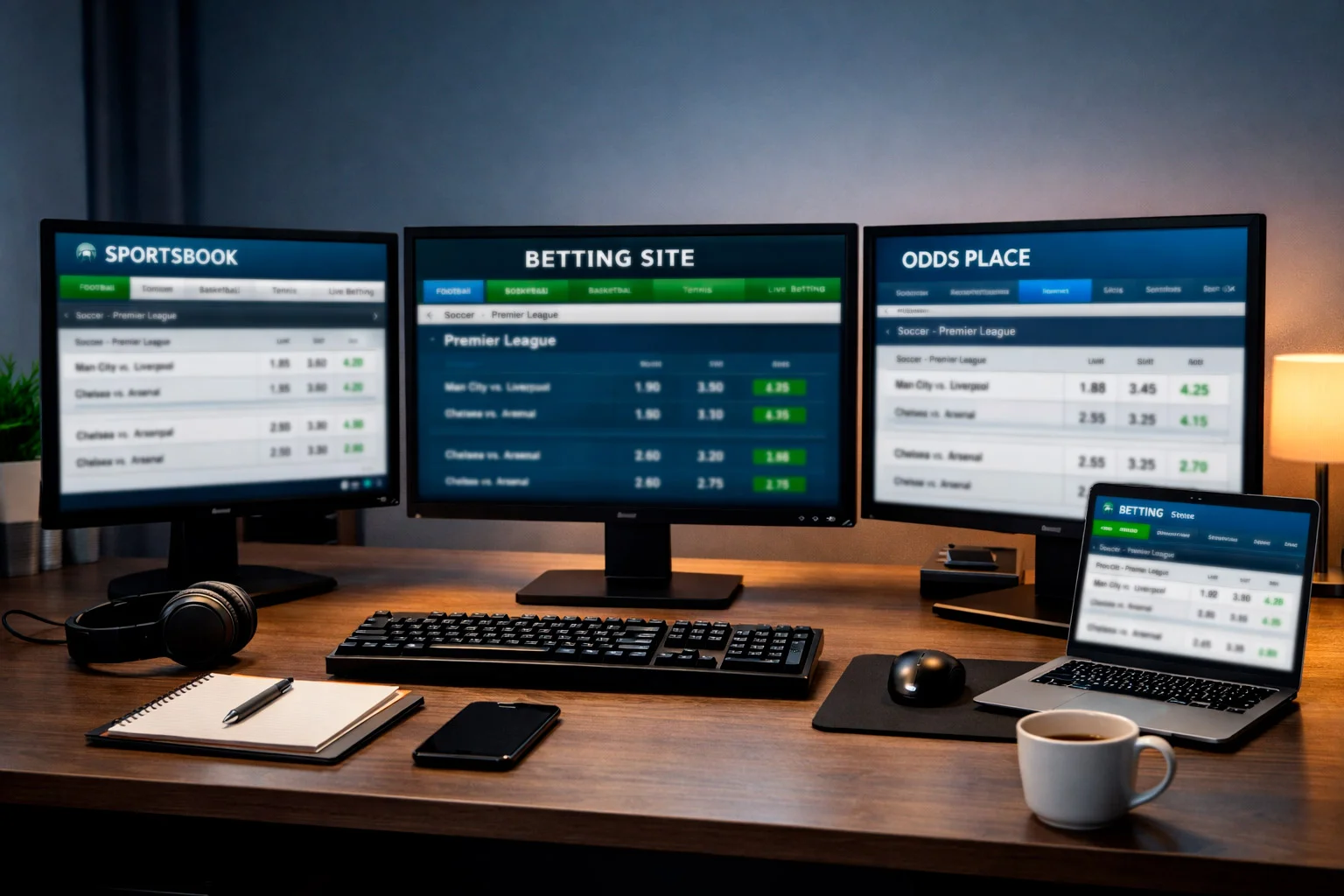
Line shopping represents the easiest edge available to sports bettors: simply getting the best available price on every wager. Different sportsbooks offer different odds on identical bets. The bettor who consistently finds the best number gains meaningful advantage over one who accepts whatever their primary sportsbook offers. This practice requires no handicapping skill, no mathematical models, no insider information — just the discipline to check multiple sources before clicking “place bet.”
The Canadian market’s competitive structure creates ideal conditions for line shopping. Ontario alone hosts dozens of licensed operators, each setting lines independently. National and grey-market options add more. This abundance of sportsbooks means odds variations exist on virtually every betting market. The difference between -110 and -105 on a spread, or between +180 and +195 on a moneyline, represents real money over hundreds of wagers.
Professional bettors consider line shopping non-negotiable. The practice is so fundamental that ignoring it constitutes giving away expected value. Recreational bettors can adopt this same discipline with minimal effort — a few extra minutes per bet investment that compounds into meaningful returns across betting careers.
Why Odds Differ Across Sportsbooks
Understanding why different books offer different numbers reveals where shopping opportunities exist.
Sportsbooks set lines to balance action rather than predict outcomes perfectly. When one book receives heavy action on the Maple Leafs, they’ll adjust their line to attract Senators bets. Another book with opposite customer tendencies might adjust the opposite direction. These divergent adjustments create odds variations across the market.
Different operators have different customer bases with different biases. Sportsbooks catering to casual bettors might shade lines toward popular teams, knowing recreational money flows predictably. Books targeting sharper bettors might offer tighter lines to attract sophisticated action. These positioning differences create persistent odds gaps.
Risk management philosophies vary across operators. Some books accept sharp action and adjust quickly; others limit winning bettors and maintain softer lines. Some operators lead the market, setting numbers first; others follow, copying lines from leading indicators. These operational differences produce the variations that line shoppers exploit.
Vigorish (juice) varies between operators. Standard -110 on both sides of a spread represents one pricing model. Some books offer reduced juice at -105, cutting the house edge. Others increase juice to -115 on heavy action games. Shopping for the best juice on standard spreads provides edge independent of line differences.
The Mathematics of Better Numbers
Small odds differences compound into significant value over betting volume. Understanding this math motivates disciplined shopping.
Consider a season of 200 spread bets at standard -110 juice. Winning 55% (110 wins, 90 losses) produces: Wins: 110 × $100 = $11,000 in winnings; Losses: 90 × $110 = $9,900 in losses. Net profit: $1,100.
Now assume line shopping captures -105 instead of -110 on half those bets. Losses on 45 bets now cost $105 instead of $110, saving $225. That’s 20% additional profit from simply getting better numbers on half your action.
The impact increases with worse initial juice. If you’d been betting at -115 without shopping, finding -110 on half your bets saves even more. Sharp bettors at reduced-juice books might pay -102 or better, maximizing edge on every wager.
Point differences on spreads carry even larger impact. Getting +3 instead of +2.5 on an NFL underdog means covering on games decided by exactly three points — approximately 10% of NFL games land on the key number of three. That half-point regularly determines outcomes.
Over thousands of career bets, consistent line shopping adds up to significant money. The bettor winning $5,000 annually through handicapping skill might add another $1,000-2,000 through disciplined shopping. It’s the easiest way to boost returns.
Building a Line Shopping Process
Effective line shopping requires systematic approach rather than random checking. The following process maximizes efficiency.
Maintain accounts at multiple sportsbooks. Ontario residents might have a dozen active accounts; bettors elsewhere might have fewer options but should still maintain several. Deposit minimally at each to enable betting when that book offers the best number. Account maintenance takes time initially but enables shopping indefinitely.
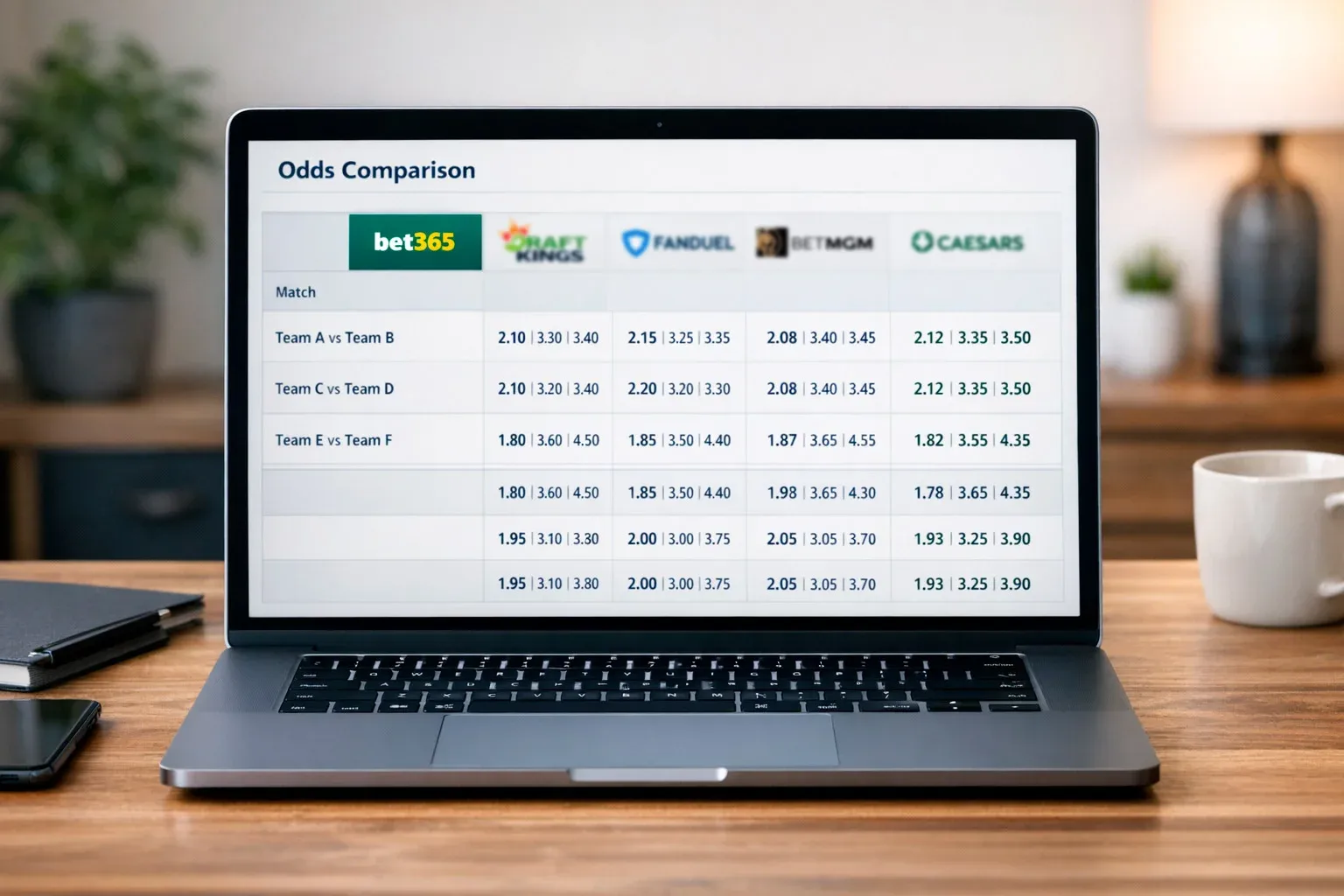
Use odds comparison tools. Sites like Oddspedia, OddsPortal, and Covers aggregate odds from multiple operators, displaying best available numbers at a glance. These tools save the time of logging into each sportsbook individually. Bookmark your preferred comparison site and check it before every bet.
Develop a comparison routine. For each bet you plan to make, check at least three to five books for the best number. This habit takes two minutes per bet but captures significant value over time. The goal is making comparison automatic rather than exceptional.
Prioritize key numbers in football. The three-point spread in NFL betting is so significant that moving from +2.5 to +3 or from -3.5 to -3 justifies considerable effort. Similarly, seven-point differences (touchdown margins) carry outsized importance. Shop hardest around these key numbers.
Consider timing strategically. Lines move throughout the week based on betting action and news. Sometimes the best number is available early when lines first post; sometimes it appears later as books adjust differently. Tracking line movement patterns helps identify optimal betting timing.
Learn the mathematical foundations in our guide to sports betting odds explained.
Where Odds Vary Most
Certain markets show greater variance than others, concentrating line shopping value.
Prop bets display the widest odds variation. Sportsbooks devote less attention to pricing props than game lines, creating inefficiencies. Player point totals might differ by 1.5 points across operators; odds on the same prop might vary from +130 to +160. Shopping props aggressively captures significant edge.
Early lines before markets mature show larger gaps. When lines first post — often Sunday evening for the following week’s NFL games — books haven’t yet adjusted based on market action. Early shoppers find the largest variations, though they also face uncertainty about how lines will move.
Less popular markets receive less attention. CFL games, minor European soccer leagues, and niche sports have wider odds variations than NFL or Premier League matches. Books pricing these markets less carefully create opportunities for knowledgeable bettors.
Live betting markets move at different speeds across operators. During games, some books adjust instantly while others lag. This speed difference creates arbitrage opportunities for bettors monitoring multiple live feeds simultaneously.
Same-game parlays show significant pricing variation. Different operators apply different correlation adjustments to SGP combinations. Shopping identical SGP legs across books reveals which operator prices most favorably.
Tools and Resources for Canadian Bettors
Several resources facilitate line shopping for Canadian bettors specifically.
Oddspedia offers comprehensive odds comparison including Canadian operators. Their interface displays best available odds across markets with real-time updates. The Canadian-specific version filters for operators serving Canadian bettors.
Covers.com aggregates odds from regulated Canadian sportsbooks. Their comparison tools highlight the best numbers and show line movement history. The site’s Canadian focus ensures relevant operator coverage.
Action Network provides odds comparison alongside betting analytics. Their tools show where sharp money is moving and which books offer the best numbers. Premium features include line movement alerts and bet tracking.
OddsChecker compares odds across bookmakers with Canadian access. Their interface allows filtering by operator and sport, streamlining the comparison process.
Betstamp and similar bet-tracking apps include odds comparison features. Entering your planned bet shows where to find the best number, combining comparison with record-keeping.

Beyond Shopping: Finding True Value
Line shopping finds the best available odds; value betting identifies when those odds exceed fair probability. Combining both approaches maximizes edge.
Value exists when your assessed probability exceeds implied probability in the odds. If you believe a team has 55% chance to cover but the line implies only 50% probability (even money, +100), you’ve identified value. Betting this line offers positive expected value regardless of outcome.
Sharp sportsbooks like Pinnacle set the most accurate lines, serving as benchmarks for fair value. When Canadian operators offer odds significantly better than Pinnacle’s number, the discrepancy may represent value. This comparison helps identify when odds differences reflect genuine mispricing rather than just normal variation.
Closing line value provides the ultimate measure. If you bet a team at +6 and the line closes at +4.5, you’ve captured value — the market moved to confirm your number was favorable. Tracking whether you consistently beat closing lines reveals whether your betting provides edge beyond luck.
News and information create temporary value. When injuries, lineup changes, or other developments become known, different books adjust at different speeds. Being first to bet the adjusted line at a slow-moving book captures value that evaporates as the market corrects.
Making Line Shopping Habitual
The hardest part of line shopping is consistency. Checking multiple books on every bet requires discipline that casual betting doesn’t. Building the habit requires initial effort that eventually becomes automatic.
Start by committing to check three books on every bet for one month. This limited commitment builds the habit without overwhelming. After a month, the behavior becomes routine rather than effortful.
Track the value captured through shopping. Record what odds you bet versus what your primary book offered. Seeing accumulated savings motivates continued effort. The data also reveals which secondary books most often offer better numbers.
Accept that shopping takes time. Those two extra minutes per bet are an investment, not a cost. The alternative — leaving money on the table through lazy acceptance of inferior odds — is the actual cost.
Resist the convenience trap. One-click betting at your favorite app feels easier than comparing across platforms. But that convenience is expensive. The discipline to shop despite inconvenience separates successful bettors from the recreational majority who subsidize sportsbook profits.
Line shopping requires no special skill — just effort and discipline. In a betting landscape where edges are hard to find, shopping provides guaranteed value improvement accessible to everyone willing to do the work.
Compare the best prices on our odds comparison portal.
