
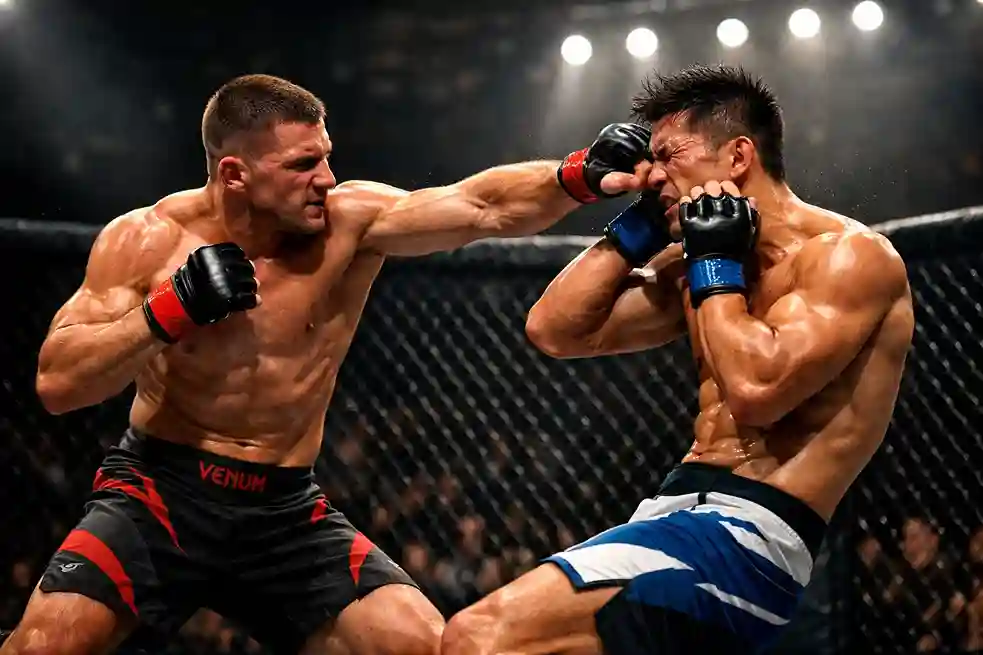
Mixed martial arts has evolved from controversial spectacle to mainstream sport, and betting on UFC fights has grown alongside it. Canadian sportsbooks now offer extensive MMA markets covering every UFC event, from preliminary card bouts to championship main events. The sport’s unique characteristics — individual competition, multiple victory paths, dramatic momentum swings — create betting opportunities distinct from team sports.
UFC events occur nearly every weekend, providing consistent action throughout the year. Major pay-per-view cards headline the schedule, but Fight Night events offer equally compelling betting opportunities with less public attention and potentially softer lines. Understanding MMA-specific betting markets, fighter analysis methods, and the sport’s inherent volatility positions bettors to engage intelligently with one of combat sports’ most dynamic betting products.
The Canadian connection to MMA runs deep. Georges St-Pierre remains among the sport’s all-time greats, and Canadian fighters regularly compete at the highest levels. This familiarity, combined with accessible legal betting options through Ontario’s regulated market and nationwide sportsbook access, makes UFC betting natural territory for Canadian sports bettors looking to expand beyond traditional team sports.
Understanding UFC Betting Markets
MMA betting offers diverse wagering options beyond simple winner prediction. Each market type carries different risk-reward profiles and analytical requirements.
Moneyline betting represents the foundational UFC wager: pick which fighter wins, regardless of method or timing. Favorites carry negative odds indicating how much you must risk to profit $100; underdogs carry positive odds showing potential profit on a $100 bet. A -200 favorite requires risking $200 to win $100, while a +180 underdog profits $180 on a $100 wager. Moneyline betting suits bettors confident in their winner prediction without specific expectations about how victory occurs.
Method of victory betting predicts not just who wins but how. Options typically include KO/TKO, submission, and decision. This market requires deeper analysis of fighting styles — a heavy-handed striker facing a defensive grappler might favor knockout bets, while two high-level grapplers with limited power might trend toward decision. Method of victory odds exceed moneyline odds because correct prediction requires more precision.
Round betting predicts when fights end. Over/under totals set lines like 1.5 or 2.5 rounds; betting under means expecting a finish before the line, over means expecting the fight to last longer. Standard UFC fights are three rounds (15 minutes total), while main events and title fights extend to five rounds (25 minutes). Round totals reward understanding fighter finishing rates and durability.
Exact round betting specifies which round the fight ends. Predicting “Fighter A by KO in Round 2” pays substantially more than simple moneyline or method bets because it requires precise accuracy. These bets suit situations where you have strong conviction about fight dynamics and timing.
Goes the distance betting offers a yes/no proposition on whether the fight lasts all scheduled rounds. Fights between durable competitors or technical stylists often favor “yes”; matchups featuring heavy hitters or submission specialists trend toward “no.” This market simplifies the question to fight length without requiring winner prediction.
Analyzing Fighters and Matchups
Successful MMA betting requires understanding how fighting styles interact. Two elite fighters might produce dramatically different outcomes depending on how their skills match up.
Striking statistics reveal offensive and defensive capabilities. Significant strikes landed per minute indicates offensive volume; strikes absorbed per minute shows defensive vulnerability. Striking accuracy percentages help distinguish volume punchers from precise counter-strikers. Compare these metrics between opponents to identify advantages and vulnerabilities.
Grappling statistics matter equally. Takedown accuracy shows wrestling offense; takedown defense percentage reveals ability to keep fights standing. Submission attempts and success rates identify ground threats. A dominant wrestler facing someone with poor takedown defense creates predictable fight dynamics regardless of striking comparisons.
Fight history context extends beyond win-loss records. Examine how fighters have won and lost — by knockout, submission, or decision. A fighter with multiple knockout losses facing a heavy hitter presents clear risk. Someone who consistently takes opponents down but rarely finishes might produce decision outcomes. Pattern recognition improves prediction accuracy.
Physical attributes influence matchup dynamics. Reach advantages help strikers maintain distance; height differences affect wrestling leverage. Weight class movement matters — fighters moving up may sacrifice power advantages, while those cutting significant weight risk performance effects. The weigh-in provides information about weight cuts; fighters appearing drained sometimes underperform.
Training camp factors affect fight-night performance. Fighters switching gyms or training partners may show different skill sets. Injuries during camp, even if undisclosed, sometimes manifest in tentative performances. Following MMA media reveals camp insights that inform betting decisions.

Live Betting During Fights
UFC in-play betting allows wagering as fights unfold, with odds shifting based on round-by-round developments. This dynamic environment rewards attentive viewing and quick decision-making.
Momentum shifts dramatically affect live odds. A fighter who appeared dominant might get rocked by a single punch, instantly transforming from heavy favorite to underdog. These swings create opportunities for bettors who recognize overreactions. A stunned fighter who recovers and stabilizes might offer value as odds overcorrect.
Round scoring awareness helps identify value. If you believe a fighter won the first two rounds of a three-round fight, they need only survive the third to win by decision. Live odds might not fully reflect this scoring reality, especially if the trailing fighter had flashier moments that impressed casual observers.
Corner advice between rounds sometimes signals strategic shifts. Fighters receiving urgent instructions about specific threats or opportunities might change approach. Observing corner interactions provides information that pure statistical analysis misses.
Fatigue patterns emerge as fights progress. Fighters who start fast but fade historically might offer fade opportunities in later rounds. Conversely, slow starters who improve as opponents tire might become live betting value after underwhelming early rounds. Understanding individual pacing patterns informs live betting timing.
Technical execution under pressure reveals readiness. A fighter absorbing significant damage who maintains technique and composure differs from one who panics and shells up. Reading these responses in real-time enables live betting decisions that pure odds movements don’t capture.
Fighter Form and Momentum
Combat sports momentum carries psychological weight that affects performance. Evaluating form requires looking beyond simple win-loss streaks.
Win streaks build confidence but create expectation pressure. A fighter on a five-fight winning streak might be genuinely improving — or might be due for regression against tougher competition. Examine the quality of recent opponents to distinguish between legitimate ascension and record padding against lesser fighters.
Losing streaks demand context. A fighter losing to three consecutive champions differs from one dropping fights to unranked opponents. The nature of losses matters: close decisions indicate competitiveness, while knockout losses raise durability concerns. Fighters coming off knockout defeats sometimes show diminished chin or tentative striking.
Layoffs affect fighters differently. Extended time away from competition might mean injury recovery, training improvements, or ring rust. Some fighters return from layoffs looking refreshed and improved; others struggle to recapture timing and rhythm. Historical patterns of post-layoff performance provide guidance.
Age trajectories matter in combat sports. Fighters in their mid-thirties often show declining reflexes and recovery, though exceptions exist. First signs of decline sometimes appear suddenly — a fighter who looked elite at 34 might look vulnerable at 36. Betting against aging fighters facing younger opposition often provides value.
Weight class changes create uncertainty. Fighters moving up gain power disadvantage but avoid difficult weight cuts. Those moving down face larger opponents but might feel stronger and more energetic. Initial fights at new weight classes carry unpredictability that markets sometimes misprice.
We also cover the digital arena in our esports betting in Canada guide.
Common MMA Betting Mistakes
Certain errors repeatedly trap MMA bettors. Recognizing these patterns helps avoid common pitfalls.
Overvaluing name recognition leads to backing fading stars. Legendary fighters past their prime often carry shorter odds than their current ability justifies. The market remembers peak Georges St-Pierre or Anderson Silva; betting value often lies with lesser-known opponents catching legends in decline.
Ignoring stylistic matchups produces poor analysis. A fighter’s overall record matters less than how their specific skills interact with their opponent’s. An excellent striker with poor takedown defense might dominate stand-up fighters but struggle against wrestlers. Matchup-specific analysis trumps general reputation assessment.
Chasing knockout artists creates exposure. Heavy hitters attract betting action because their wins are spectacular, but knockout power often comes with defensive vulnerabilities. Favorites who win by knockout when they win but lose when opponents survive create inconsistent betting outcomes.
Underestimating underdogs ignores MMA’s inherent volatility. In 2024, favorites won approximately 72% of UFC fights — meaning underdogs won nearly one-third of bouts. The sport’s finish-at-any-moment nature means significant upsets occur regularly. Blindly backing favorites ignores substantial underdog success rates.
Betting every fight dilutes edge. Not every matchup offers betting value. Forcing action on preliminary card bouts you haven’t analyzed wastes bankroll on essentially random outcomes. Selectivity — betting only when analysis identifies clear advantages — produces better long-term results than volume betting.
Building an MMA Betting Approach
Sustainable MMA betting requires systematic analysis and disciplined execution.
Develop a pre-fight research routine. Before betting any card, review each matchup systematically: fighting styles, recent form, historical patterns, physical attributes, and situational factors. This process takes time but prevents impulsive bets based on surface impressions.
Track betting results by bet type and situation. Record which markets (moneyline, method, rounds) produce positive returns. Note whether your analysis works better for main card or preliminary fights, favorites or underdogs, particular weight classes. Data reveals strengths and weaknesses invisible to casual self-assessment.
Specialize rather than generalize. Deep expertise in specific weight classes or fighter types produces better predictions than shallow knowledge across the entire UFC roster. Following women’s strawweight closely might reveal more betting edges than superficially tracking all divisions.
Size bets according to confidence and odds value. Maximum bets belong on rare high-conviction spots where analysis strongly contradicts market pricing. Standard unit bets suit typical opportunities. Reducing size on uncertain spots limits exposure when analysis provides limited edge.
Accept variance as inherent to combat sports. Single punches, referee stoppages, and judging decisions introduce randomness no analysis eliminates. Evaluate betting success across dozens of wagers rather than individual outcomes. Short-term results fluctuate dramatically; long-term patterns reveal genuine skill.
UFC Betting Calendar and Resources
Structuring engagement around the UFC calendar maximizes betting opportunities.
Pay-per-view events anchor the schedule with highest-profile fights. These events feature championship bouts, grudge matches, and the sport’s biggest names. Higher betting limits and deeper markets accompany the increased attention, though sharp line movement happens faster.
Fight Night events occur more frequently, often on Saturdays with ESPN broadcast. These cards feature rising contenders, veterans seeking relevance, and prospects building records. Less public attention sometimes means softer lines and more betting value.
Dana White’s Contender Series introduces unsigned fighters seeking UFC contracts. These Tuesday events during summer offer betting markets with minimal public attention and significant information asymmetry for bettors who research participants.
UFCStats.com provides comprehensive fighter statistics including striking rates, grappling metrics, and historical data. This resource enables analytical approaches impossible with casual observation alone.
Following MMA journalists and analysts reveals camp news, injury updates, and insider perspectives that affect fight outcomes. Twitter/X and MMA news sites provide real-time information that moves betting lines.
The combination of frequent events, diverse betting markets, and analytical depth makes UFC betting compelling for those willing to invest learning time. Canadian bettors have full access to this market through regulated sportsbooks, enabling legal participation in one of sports betting’s most dynamic and growing segments.
Predict the next knockout on our combat sports hub.
