
Ask a hundred Canadian bettors which sport they bet on most, and ninety of them will say hockey without hesitation. The other ten are lying because they don’t want to seem predictable.
Hockey dominates Canadian sports betting the way poutine dominates late-night food choices—it’s not technically the only option, but it’s the default for good reason. Seven NHL teams call Canada home, the season runs eight months, and every Canadian over the age of six has opinions about goaltending and power play efficiency. Betting on hockey feels natural when you’ve spent your entire life watching it.
But here’s the thing about only betting hockey: you’re limiting yourself to one sport with one set of dynamics, one betting ecosystem, and finite opportunities. The NHL plays eighty-two games per team over six months, which sounds like a lot until you realize the NBA plays the same schedule in the same timeframe, the NFL offers seventeen weeks of concentrated action, and baseball provides one hundred sixty-two games per team across seven months. Each sport has different betting characteristics, different market inefficiencies, and different edges available to sharp bettors.
This guide breaks down the best sports for Canadian bettors, league by league, covering betting markets, strategy considerations, what makes each sport unique from a betting perspective, and which sports match different betting styles. You’ll learn why hockey’s puck line works differently from basketball’s point spread, why baseball betting requires understanding starting pitchers more than team records, and why NFL key numbers matter more than any statistical concept in hockey.
The goal isn’t convincing you to bet every sport available. Spreading your bankroll thin across fifteen different leagues you barely understand is stupid strategy. The goal is helping you identify which sports beyond hockey might fit your knowledge base and betting style, then giving you enough context to bet them intelligently.
Some bettors are generalists who bet everything. Most successful bettors specialize in one to three sports where they develop genuine edges through research, pattern recognition, and accumulated knowledge. Figure out where you fit, then focus your energy accordingly.
Let’s start with the obvious one.
NHL Betting: The Canadian Default

Hockey betting dominates Canada for cultural reasons that need zero explanation, but the betting dynamics are unique enough that understanding them matters even if you’ve watched hockey your entire life.
The puck line is hockey’s version of the point spread, and it’s almost always set at 1.5 goals. Toronto Maple Leafs -1.5 means they need to win by two or more goals for that bet to cash. If they win 3-2, the puck line bet loses despite winning the game. The flip side is Ottawa Senators +1.5, which means Ottawa can lose by one goal and you still win the bet. They could lose 4-3 and you’d collect.
This creates interesting dynamics because one-goal games are incredibly common in hockey. Roughly forty percent of NHL games end with a one-goal margin, which means taking favorites on the puck line is riskier than it looks. A team might be heavily favored on the moneyline at -200, but their puck line sits around +140 because winning by two goals is significantly harder than just winning.
For bettors, this creates a strategic choice. Betting favorites on the moneyline means risking a lot to win a little—betting two hundred dollars to win one hundred on a -200 favorite. Betting favorites on the puck line at +140 means risking one hundred to win one hundred forty, but you need a two-goal victory. Betting underdogs on the moneyline offers big payouts but lower win rates. Betting underdogs on the puck line at negative odds like -150 means risking more but only needing them to lose by one or win outright.
Totals in hockey typically sit around 6.5 goals, though they adjust based on team styles and goaltender matchups. Over/under betting removes the stress of picking winners and lets you focus purely on whether a game will be high-scoring or defensive. This appeals to bettors who understand offensive and defensive systems but struggle predicting individual game outcomes.
Player props in hockey focus primarily on goals, assists, points, shots on goal, and saves for goalies. Connor McDavid over/under 0.5 points is popular because he’s so consistently productive. Goaltender save totals depend heavily on the opposing team’s shot volume. These props require deeper player knowledge than betting game outcomes, but they offer value for bettors who track individual performance closely.
Period betting breaks games into first period, second period, and third period markets. You can bet moneylines, totals, or puck lines for individual periods. Teams that start strong but fade late create value on their first period moneylines. Teams that rally in third periods offer value on third period spreads. This granularity lets you exploit specific team tendencies.
The most important factors for NHL betting are goaltender matchups, rest situations, and home ice advantage. Goaltending matters more in hockey than any position in any sport. A backup goaltender facing a top offense creates immediate value on the total going over. Elite goaltenders against weak offenses push totals under. Always check who’s starting in net before betting hockey.
Rest situations dramatically impact performance. Teams playing their second game in two nights, especially with travel involved, show measurably worse results. Edmonton playing in Winnipeg the night after hosting Calgary is a fade spot. Teams with three-plus days rest coming off strong performances are good bet candidates.
Home ice advantage in hockey is real but smaller than most bettors think. Home teams win roughly fifty-four percent of games, which means the advantage exists but isn’t overwhelming. Don’t overweight home ice when handicapping matchups.
The NHL season runs from early October through mid-June including playoffs. Regular season offers nightly betting opportunities from October through April. Playoffs begin in mid-April and extend through June, with betting volume spiking as casual fans engage during postseason hockey.
The single biggest edge in NHL betting is understanding which teams the public overvalues. The Maple Leafs, Canadiens, Oilers, and other Canadian teams consistently carry inflated moneylines because public bettors in those markets bet their teams regardless of matchup quality. This creates value fading popular Canadian teams, especially on the road against quality opponents.
NBA Betting: Daily Action and Props
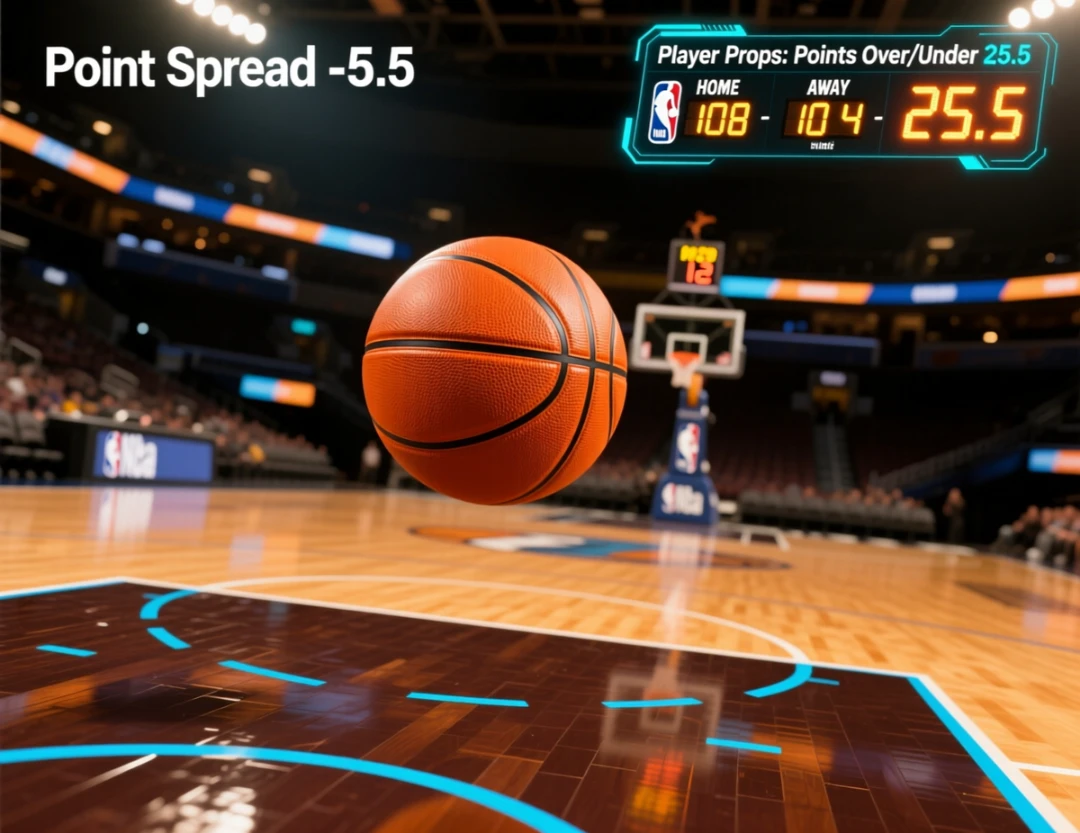
Basketball betting runs from October through June, overlapping with hockey season and extending through summer. The NBA plays eighty-two regular season games per team, which translates to nightly betting opportunities for six months straight. If you crave daily action, basketball delivers.
Point spreads dominate NBA betting more than any betting type in hockey. The spread equalizes matchups by giving the underdog a head start. Boston Celtics -7.5 means Boston needs to win by eight or more points. If they win by exactly seven, the bet loses. Detroit Pistons +7.5 means Detroit can lose by seven or fewer points and still cover the spread. They could lose 112-106 and you’d win betting Detroit +7.5.
Unlike hockey’s fixed 1.5 puck line, basketball spreads fluctuate significantly based on team strength. A matchup between title contenders might have a spread of three points. A game between the best team and worst team could see spreads of fifteen points or more. This variance creates more strategic complexity than hockey’s puck line betting.
Totals in basketball typically range from 210 to 235 points combined, significantly higher than hockey’s six-ish goals. Pace of play drives totals—teams that play fast and shoot quickly produce higher-scoring games. Defensive-minded teams slow the game down and reduce possessions, pushing totals under. Understanding team pace and defensive efficiency is crucial for betting totals.
Player props are massive in NBA betting. Points scored, rebounds, assists, three-pointers made, steals, blocks—the statistical categories are extensive and every player has markets. LeBron James over/under 25.5 points, Nikola Jokic over/under 10.5 rebounds, Luka Doncic over/under 8.5 assists. These props let you bet on individual performance regardless of game outcome.
The appeal of player props is they remove team context. You can bet on a star player hitting their numbers even if their team loses. This separates individual performance from team success, which many bettors prefer over trying to predict game outcomes.
Quarter betting offers similar granularity to hockey’s period betting. First quarter spreads and totals let you bet on early game performance. Fourth quarter markets focus on closing stretches. This is useful when you have opinions on specific game segments but not full game outcomes.
Key factors for NBA betting include rest, injuries, and motivation. Back-to-back games impact performance, especially with travel. A team playing their third game in four nights shows fatigue. Injuries matter enormously because basketball rosters are small and star players carry huge offensive loads. One injured starter changes everything.
Motivation becomes relevant late in the season. Teams locked into playoff positions sometimes rest stars in meaningless games. Teams eliminated from playoff contention might tank for better draft position. Reading the competitive context of late-season games prevents betting on teams that aren’t trying to win.
The Toronto Raptors are Canada’s lone NBA team, but Canadian betting interest extends league-wide. The sport’s popularity transcends borders, and the daily game schedule creates constant betting opportunities throughout the season.
NFL Betting: Weekly Structure and Key Numbers

Football betting differs fundamentally from hockey and basketball because of the weekly schedule. The NFL plays seventeen regular season games over eighteen weeks from September through early January. Each team plays once weekly, which concentrates betting interest into focused windows rather than spreading action across daily games.
This weekly structure changes the betting dynamic. You have six days between games to research, analyze, and form opinions. Information flows throughout the week—injury reports, practice participation, coaching comments, weather forecasts. By Sunday morning you have far more context than you’d have betting a random Tuesday night NBA game.
Point spreads dominate NFL betting similar to basketball, but key numbers make football spreads unique. Certain numbers appear far more frequently than others as final margins of victory. Three and seven are the most important key numbers because touchdowns equal seven points and field goals equal three points. Games ending with three-point margins happen around fifteen percent of the time. Seven-point margins happen around nine percent of the time.
This creates strategic value around key numbers. A spread of Kansas City Chiefs -3.5 versus -2.5 is huge because it crosses the three-point threshold. At -2.5, the Chiefs can win by a field goal and you still win the bet. At -3.5, a three-point Chiefs victory pushes and you get your money back but don’t win. The half-point matters significantly more in football than any other sport.
Similarly, seven is critical. A team favored by -6.5 can win by a touchdown and you lose the bet. The same team at -7.5 needs to win by eight or more. That one-point difference crosses the most common winning margin in football. Sharp bettors pay close attention to where spreads sit relative to three and seven.
Moneyline betting exists in NFL but is less popular than spreads because favorites often carry steep prices. A team favored by a touchdown might be -300 or higher on the moneyline, meaning you’d risk three hundred dollars to win one hundred. The spread offers better value in most situations.
Totals in NFL are influenced by weather, pace of play, and offensive/defensive matchups. Wind affects passing games dramatically—twenty-plus mph wind pushes totals under. Rain impacts footing and ball security. Cold weather slightly favors under, though the effect is overstated. Indoor games in domes offer controlled conditions where offenses typically perform better.
Player props exploded in popularity with legalization. Quarterback passing yards, running back rushing yards, receiver receptions and receiving yards, touchdowns scored—the variety is extensive. Props let you bet on individual performances, which appeals to fantasy football players transitioning to sports betting.
The NFL regular season runs seventeen weeks from September through early January. Every game is televised, every matchup receives extensive analysis, and betting lines are sharp because so much money and attention flow into NFL markets. Finding edges requires work—the public understanding of NFL is relatively sophisticated compared to niche sports.
Super Bowl betting dwarfs regular season volume. Hundreds of millions of dollars get wagered on the championship game, with prop bets ranging from game outcomes to coin toss results to halftime show length. It’s betting as cultural event, where even non-bettors place casual wagers.
Canadian betting interest in NFL is massive despite no Canadian teams. The sport’s popularity transcends borders, and weekly game structure creates focused betting opportunities that daily sports don’t offer.
CFL, MLB, Soccer, and Other Betting Options

CFL betting occupies a niche. The Canadian Football League plays from June through November, filling the summer football void. Rules differ from NFL—three downs, larger field, different scoring. Nine teams create a manageable league to follow. Betting markets are thinner than NFL, which can create value for bettors willing to invest research time. The Grey Cup championship offers a uniquely Canadian betting event. Most serious bettors ignore CFL entirely or treat it as a summer distraction, but dedicated followers can find edges in less efficient markets.
MLB betting attracts statistics-focused bettors because baseball generates massive data sets over one hundred sixty-two games. Moneylines dominate because baseball doesn’t use point spreads—you’re betting on who wins outright. Run lines at -1.5 / +1.5 function like spreads but aren’t as popular. Totals betting is huge because starting pitchers heavily influence scoring. An elite pitcher like Gerrit Cole makes totals more likely to go under. Weak pitchers in hitter-friendly ballparks push totals over.
Weather matters more in baseball than any sport. Wind blowing out at Wrigley Field turns routine fly balls into home runs. Wind blowing in keeps balls in the park. Temperature affects ball flight—warmer air means longer hits. The first five innings bet type removes bullpen variance, which many sharp bettors prefer. MLB season runs from April through October, with playoffs extending into November. The Toronto Blue Jays are Canada’s team, creating concentrated betting interest.
Soccer betting grows steadily in Canada. MLS features three Canadian teams—Toronto FC, Vancouver Whitecaps, and CF Montreal. International leagues like the English Premier League, Champions League, and World Cup offer extensive markets. Soccer uses three-way moneylines where draws are an option, which changes strategy compared to sports without ties. Asian Handicap betting removes the draw, offering two-way markets similar to other sports. Both teams to score (BTTS) is popular because it ignores the winner and focuses purely on whether both teams score. Soccer betting requires understanding team formations, possession styles, and defensive structures—knowledge that takes time to develop.
UFC and MMA betting delivers explosive action in short timeframes. Betting on method of victory—knockout, submission, or decision—adds strategy beyond picking winners. Canadian fighters like Georges St-Pierre built the sport’s popularity domestically. Round betting and over/under rounds create additional markets. Fight odds move dramatically based on weigh-ins, fighter interviews, and late-breaking news. The unpredictability makes MMA high-risk but potentially high-reward for bettors who understand fighting styles and matchup dynamics.
Tennis, golf, and other sports offer betting opportunities but require specialized knowledge. Tennis betting focuses on individual matches and tournament winners. Golf betting involves outright winners, top-five finishes, and head-to-head matchups. These sports appeal to dedicated followers but aren’t entry points for casual bettors.
The Canadian sports calendar offers year-round betting opportunities. Winter focuses on NHL and NBA. Spring adds MLB. Summer brings CFL and international soccer. Fall combines NFL, NHL, NBA, and late-season MLB. Playoffs extend most seasons beyond their regular schedules.
The practical advice is specialize rather than generalize. Pick one to three sports, learn them deeply, and develop edges through focused research. Betting fifteen different sports casually means you’re competing against specialists in every market you enter. That’s a losing proposition. Focus creates advantages.
Choosing Your Sports and Final Thoughts

The best sport to bet depends entirely on what you know and what you enjoy watching. Betting sports you don’t follow leads to uninformed decisions based on guesswork rather than analysis. Betting sports you hate watching makes the entire experience miserable even when you win.
Start with sports you already watch. If you’ve watched hockey your entire life, NHL betting leverages existing knowledge. If you’re a basketball fan, NBA betting builds on familiarity you already have. If you don’t watch a sport regularly, learning it purely for betting purposes requires massive time investment that might not pay off.
Consider your personality and betting style. If you want daily action, NBA and MLB provide games every night for months. If you prefer focused weekly events, NFL fits better. If you like analyzing individual performances, sports with strong prop markets like NBA and NFL offer more opportunities. If you prefer team-based analysis, NHL and soccer might suit you better.
Don’t spread your bankroll across too many sports. Managing three sports seriously is challenging. Managing ten is impossible unless betting is literally your full-time job. Focus creates edges. Specialization allows pattern recognition that generalists never develop.
Track your results by sport. You might be profitable betting NHL but consistently lose money on NBA. Recognizing this lets you adjust—bet more hockey, bet less basketball, or stop betting basketball entirely. Most bettors never track results carefully enough to identify which sports they actually profit from versus which ones feel profitable but slowly bleed their bankroll.
The sports you bet should enhance your enjoyment of watching them, not replace it. If betting turns watching games into stress-inducing anxiety where you can’t enjoy the sport without money riding on outcomes, something’s wrong. Betting should add entertainment value, not subtract from your enjoyment of sports.
Multi-sport betting works for some people. Using NHL as your primary focus while opportunistically betting NBA or NFL when you see value is reasonable. The key is maintaining your edge in your primary sport while being selective about secondary markets.
Seasonal rotation makes sense—focus on NHL from October through April, shift to MLB from April through October, bet NFL heavily from September through January. This prevents burnout and lets you ride seasonal expertise rather than forcing action in sports you barely follow.
The Canadian sports betting landscape offers enough variety that you’ll never lack options. The question isn’t what’s available to bet—it’s what you should actually bet based on knowledge, interest, and competitive advantage.
Choose wisely, specialize deliberately, and remember that the best bet is sometimes no bet at all.
