

Sports betting exists on a spectrum from casual entertainment to serious problem. The same activity that adds excitement to watching games can become compulsive behavior that damages finances, relationships, and mental health. Understanding where you stand on this spectrum — and having tools to maintain healthy boundaries — determines whether betting remains enjoyable or becomes destructive.
The expansion of legal sports betting in Canada has increased both access and risk. Ontario’s regulated market launched in April 2022 with dozens of licensed operators competing for attention. Provincial platforms operate nationwide. Grey-market options remain accessible. This abundance of betting opportunities means protection comes primarily from individual awareness rather than restricted access. The sportsbooks are there, the apps are installed, and the temptation is constant. Managing that environment requires deliberate effort.
Responsible gambling isn’t about abstinence for everyone — it’s about honest self-assessment and appropriate boundaries. Some people can bet casually without issue. Others discover that gambling triggers problematic patterns requiring intervention. Most fall somewhere between, benefiting from guardrails that prevent casual entertainment from escalating into harmful behavior. Knowing yourself, using available tools, and recognizing warning signs creates the foundation for sustainable engagement with sports betting.
Self-Assessment: Honest Evaluation
Problem gambling often develops gradually, making early recognition difficult. Patterns that seem manageable individually become concerning in aggregate. Regular self-assessment catches developing issues before they become crises.
Ask yourself these questions honestly: Do you bet more than you can afford to lose? Do you chase losses by increasing bets after losing? Do you lie to family or friends about your gambling? Do you feel restless or irritable when trying to cut back? Do you gamble to escape problems or relieve negative emotions? Has gambling caused relationship, work, or financial problems? Do you need to bet with increasing amounts to achieve the same excitement?
Multiple affirmative answers suggest gambling may have moved beyond entertainment. The progression from recreational to problematic betting often occurs without clear demarcation. One day you’re betting for fun; months later you’re hiding credit card statements and borrowing money for wagers. The gradual nature makes intervention easy to delay and harder to implement.
The Alcohol and Gaming Commission of Ontario mandates that licensed operators provide self-assessment tools. These questionnaires help players evaluate their gambling patterns objectively. Taking these assessments periodically — even when you feel fine — establishes baseline patterns that make changes visible.
Setting Limits Before You Bet
The most effective responsible gambling tools are those established before problems develop. Limits set when you’re thinking clearly protect you during moments when judgment becomes impaired by emotion or momentum.
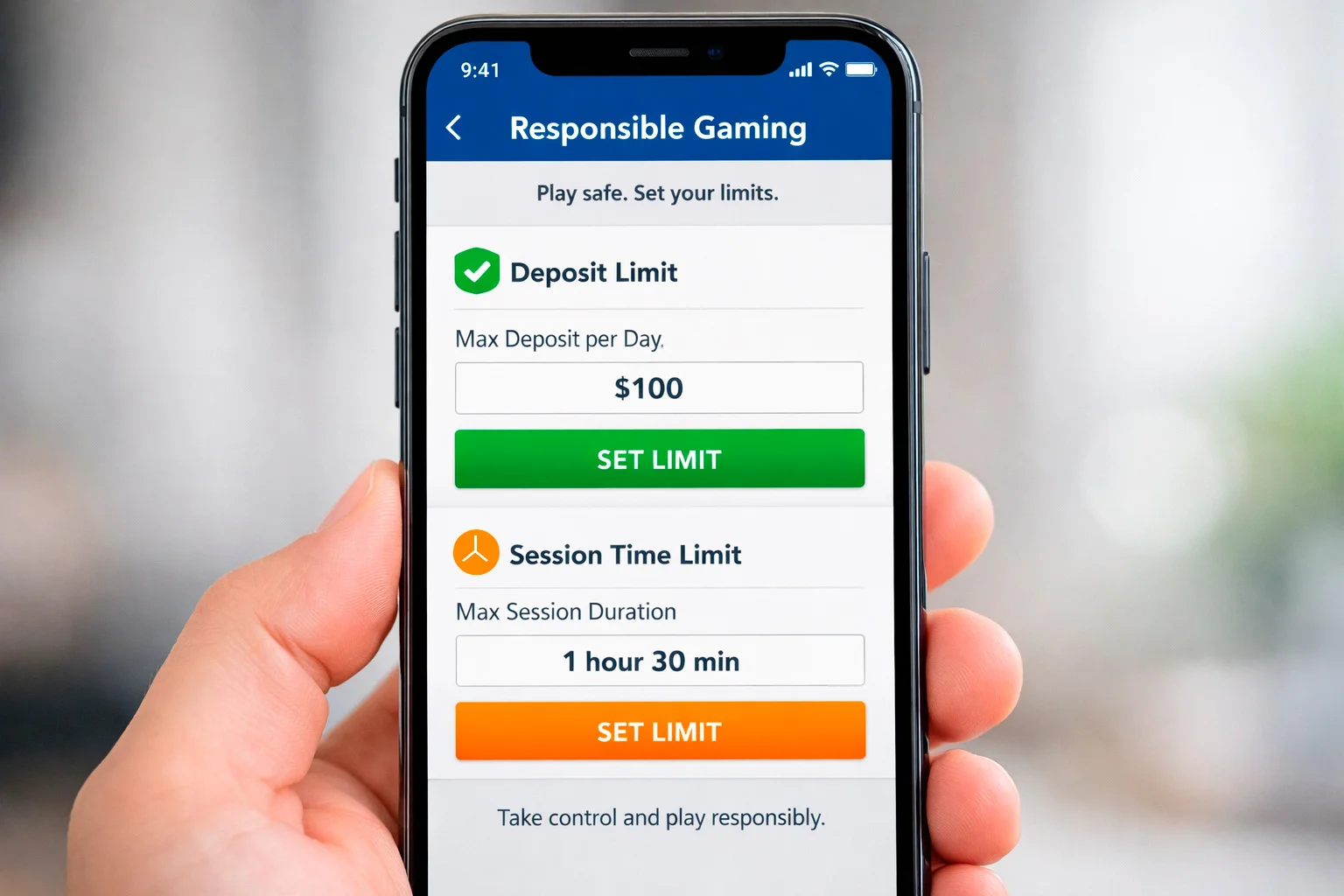
Deposit limits restrict how much money you can add to your sportsbook account within specified periods — daily, weekly, or monthly. Setting a $200 weekly deposit limit means you cannot add more than $200 in any seven-day period, regardless of what happens during betting. This structural constraint prevents the “just one more deposit” impulse that escalates losses during bad streaks.
Wagering limits cap total betting volume regardless of deposits. You might have funds available but hit a wagering ceiling that prevents additional bets until the time period resets. These limits constrain action even when you’re playing with winnings rather than deposits.
Loss limits cap how much you can lose before betting locks. A $100 daily loss limit stops betting activity once your net losses reach that threshold. This protection is particularly valuable because losses often trigger the emotional states that lead to poor decisions.
Session time limits remind you how long you’ve been betting or force breaks after specified durations. The 2.5-hour session that feels like 45 minutes represents gambling’s distortion of time perception. External reminders counter this effect.
Ontario’s regulated operators must provide these limit-setting tools in accessible locations. The best practice is setting limits immediately upon account creation, before placing any bets. Limits established in calm moments protect against decisions made in heated ones.
Cooling-Off Periods and Self-Exclusion
When limits aren’t sufficient, temporary or permanent self-exclusion provides stronger intervention.
Cooling-off periods temporarily suspend account access for short durations — typically 24 hours to several weeks. These breaks provide space for reflection when betting patterns become concerning. The temporary nature makes them psychologically easier to implement than permanent exclusion.
Self-exclusion programs block access for extended periods, ranging from six months to multiple years. Ontario’s My PlayBreak program allows players to exclude themselves from OLG.ca, retail casinos, and iGaming sites simultaneously. Private operators must offer their own self-exclusion options as a licensing requirement.
The commitment aspect matters. Many self-exclusion programs are irrevocable for their duration — you cannot simply change your mind and reinstate access. This friction is intentional: it prevents impulsive reversal during moments of craving. The inconvenience is the point.
Self-exclusion removes you from promotional mailing lists and targeted advertising. Operators cannot send you bonus offers or enticements to return. This marketing protection helps break the behavioral loops that promotional messaging can trigger.
However, self-exclusion has limitations. Excluding yourself from one operator doesn’t block others. Grey-market sites don’t participate in regulated exclusion programs. A determined gambler can find ways around self-imposed barriers. Self-exclusion is a tool, not a solution — it works best as part of broader commitment to changing behavior.
Recognizing Warning Signs in Yourself and Others
Gambling problems display recognizable patterns even when the affected person minimizes or denies them. Awareness of these signs enables earlier intervention.
Financial warning signs include: borrowing money to gamble, selling possessions for betting funds, unpaid bills despite adequate income, secretive financial behavior, maxed credit cards with unclear purposes, and lies about money spent on gambling.
Behavioral warning signs include: betting with increasing frequency or amounts, inability to stop despite wanting to, neglecting responsibilities in favor of gambling, gambling as escape from stress or negative emotions, restlessness when not betting, and failed attempts to cut back.
Relationship warning signs include: lying about gambling to loved ones, arguments over gambling behavior or finances, neglecting family and social obligations, isolation from people who express concern, and defensive reactions when gambling is mentioned.
Emotional warning signs include: mood swings tied to betting outcomes, anxiety about gambling debts or behavior, guilt after gambling sessions, depression associated with losses, and using gambling to cope with negative emotions.
If you recognize these patterns in yourself, seeking help early improves outcomes. If you recognize them in someone you care about, approaching the conversation with concern rather than judgment increases receptivity.
Resources and Support
Canada offers multiple resources for problem gambling support. Knowing these options before you need them reduces barriers to seeking help.
ConnexOntario provides 24/7 support for Ontario residents at 1-866-531-2600. Trained counselors offer confidential assistance for gambling concerns, including treatment referrals and crisis intervention. Text and chat options are available for those preferring non-phone contact.
The Responsible Gambling Council operates across Canada, providing education, prevention, and research on gambling issues. Their resources help both individuals struggling with gambling and family members affected by someone else’s gambling.
Provincial health systems offer gambling treatment programs. Many areas have specialized counselors trained in gambling addiction treatment. These services are often free or covered by provincial health plans.
Gamblers Anonymous operates support groups across Canada based on the twelve-step model. Peer support from others who understand problem gambling can complement professional treatment.
Self-help resources including books, online programs, and apps provide tools for those not ready for formal treatment. These resources can be stepping stones toward more intensive support or standalone interventions for less severe issues.

Building Sustainable Habits
Responsible gambling isn’t a one-time decision but an ongoing practice. Building habits that support healthy betting creates durable protection.
Treat gambling as entertainment, not income. Expecting profits creates pressure that distorts decision-making. Viewing betting as entertainment with costs — like movies or concerts — establishes realistic expectations. Set a monthly entertainment budget and don’t exceed it.
Never bet money you cannot afford to lose. This principle seems obvious but becomes harder to maintain during losing streaks. If losing your planned betting bankroll would cause financial stress, you’re betting too much.
Separate gambling funds from living expenses. Maintain clear boundaries between betting money and funds needed for bills, savings, and necessities. When the gambling budget depletes, stop — don’t borrow from other categories.
Take regular breaks. Continuous betting without pauses increases risk of problematic patterns. Schedule non-betting days, or use the mandatory break features that operators provide.
Avoid betting under emotional influence. Stress, anger, intoxication, and depression all impair judgment. If you’re not in a clear headspace, don’t bet. The games will still be there tomorrow.
Track your betting honestly. Record all wagers, wins, and losses. Review this data periodically. Self-deception becomes harder when written records contradict selective memory.
Compare provincial laws in our Ontario sports betting section.
When Entertainment Becomes Something Else
The transition from recreational betting to problem gambling doesn’t announce itself. There’s no clear moment when “just having fun” becomes “unable to stop.” This gradual progression makes ongoing vigilance essential.
If you find yourself consistently exceeding limits you’ve set, making bets you promised yourself you wouldn’t make, or feeling increasing anxiety about your gambling behavior — these signals warrant attention. Earlier intervention produces better outcomes. Waiting until gambling has caused major damage makes recovery harder.
Help-seeking isn’t weakness; it’s wisdom. Professional support for gambling issues is effective for most people who engage with it. The shame that prevents reaching out is itself a symptom of problem gambling. Overcoming that barrier is often the hardest step.
Canadian betting markets will continue expanding. More operators, more betting options, and more promotional messaging will increase exposure. Protecting yourself requires active effort rather than passive assumption that problems won’t develop. The tools and resources exist. Using them before they’re desperately needed is the essence of responsible gambling.
Track the national industry on our main sports betting platform.
